
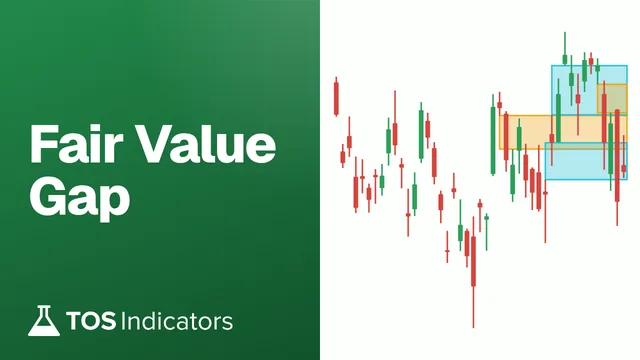
 Fair Value Gap
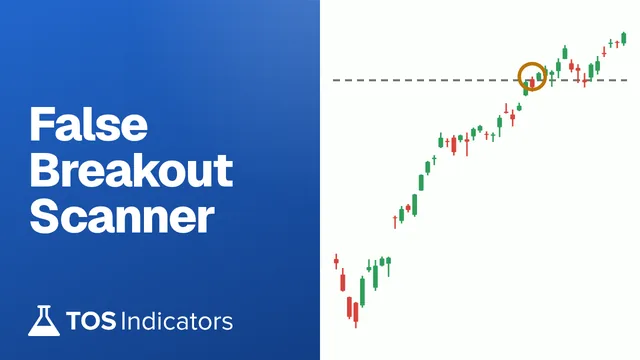 False Breakout Scanner
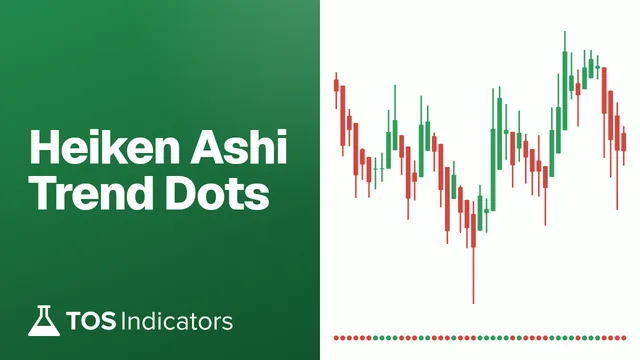 Heiken Ashi Trend
 Stock Volatility Box
 Futures Volatility Box
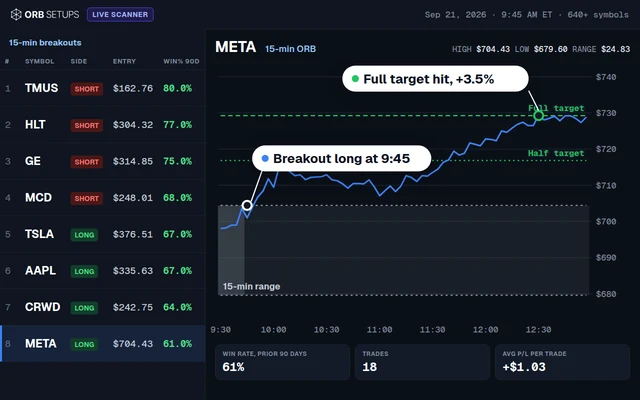 ORB Setups
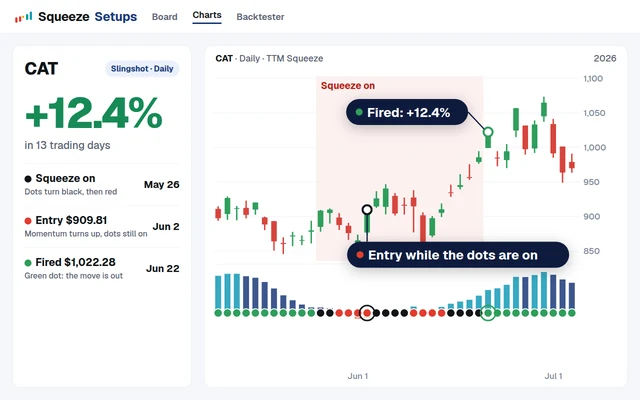 Squeeze Setups
Daily Market Reports & Trade Ideas
In-depth market analysis, trade setups, and actionable insights updated regularly. Filter by instrument, category, or search for specific topics.
New This Week 4 videos
 New
New
The Complete Fair Value Gap Toolkit for ThinkorSwim
The complete Fair Value Gap toolkit for ThinkorSwim, in a 2-part tutorial series. We build everything line by line, so you understand exactly what's happening under the hood. ▶️ Part 1, build the indicator (free): https://youtu.be/w_2IQhjkf3k ✅ Free indicator download: https://tosindicators.com/indicators/fair-value-gap 🔒 Part 2, the scanner and FVG column (Pro members): https://tosindicators.com/scans/fair-value-gap-scanner In Part 1, you'll turn the 3-candle fair value gap pattern into code, filter out small gaps with ATR, track every open gap without arrays, and keep every box clean on your chart. In Part 2, we add a depth line that shows how far price has pushed into each gap, build bull and bear scans that find stocks retesting a gap, pair them with Edge Signals for timing, and build a custom column that prints every stock's gap levels, color coded, in your scan tab. #thinkorswim #thinkscript #fairvaluegap
 New
New
The Nasdaq Fell 10% From This Fair Value Gap
In July 2024, QQQ gapped down and left a box between $468 and $480. The bounce on July 31st and August 1st stalled inside it and rolled over, and by August 5th QQQ was about 10% lower. Free Fair Value Gap indicator for ThinkorSwim: https://tosindicators.com/indicators/fair-value-gap Full build: https://youtu.be/w_2IQhjkf3k #QQQ #thinkorswim #fairvaluegap
 New
New
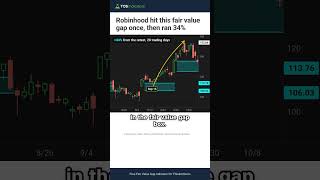
Robinhood Hit This Fair Value Gap Once, Then Ran 34%
Robinhood's S&P 500 news in September 2025 left a fair value gap between $106 and $114. Price tapped it once, on September 15th, and ran 34% over the next 20 trading days. The gap was 1.26 ATR wide, the size that held its first retest 9 times out of 10 in my study of 116,000 gaps. Free Fair Value Gap indicator for ThinkorSwim: https://tosindicators.com/indicators/fair-value-gap Full build: https://youtu.be/w_2IQhjkf3k #HOOD #thinkorswim #fairvaluegap
 New
New
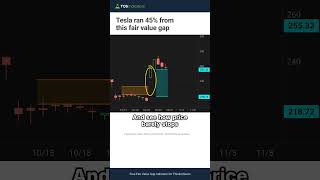
Tesla Ran 45% From This Fair Value Gap
Tesla's October 2024 earnings gap left an empty zone between $218 and $255. Price came back into it from Halloween through November 4th, the bottom of the box held, and Tesla ran 45% over the next 20 trading days. Free Fair Value Gap indicator for ThinkorSwim: https://tosindicators.com/indicators/fair-value-gap Full build: https://youtu.be/w_2IQhjkf3k #TSLA #thinkorswim #fairvaluegap
Browse by Category
Trade Ideas & Setups
235 videos
Market Analysis
93 videos
SPY / SPX
134 videos
QQQ / Nasdaq
68 videos
Futures Trading
150 videos
Earnings Plays
59 videos
Sector Analysis
32 videos
Individual Stock Analysis
85 videos
Volatility Trading
199 videos
Volatility Box
206 videos
TTM Squeeze
99 videos
Day Trading
82 videos
Swing Trading
18 videos
Options Trading
55 videos
Technical Indicators
58 videos
Fibonacci
20 videos
Chart Patterns
27 videos
Trend Analysis
43 videos
FOMC & Fed
24 videos
ThinkOrSwim Platform
68 videos
ThinkScript Coding
22 videos
Scanners
32 videos
Backtesting
29 videos
Opening Range Breakout (ORB)
41 videos
Commodities
49 videos
All Trade Reports
The Complete Fair Value Gap Toolkit for ThinkorSwim
The complete Fair Value Gap toolkit for ThinkorSwim, in a 2-part tutorial series. We build everything line by line, so you understand exactly what's happening under the hood. ▶️ Part 1, build the indicator (free): https://youtu.be/w_2IQhjkf3k ✅ Free indicator download: https://tosindicators.com/indicators/fair-value-gap 🔒 Part 2, the scanner and FVG column (Pro members): https://tosindicators.com/scans/fair-value-gap-scanner In Part 1, you'll turn the 3-candle fair value gap pattern into code, filter out small gaps with ATR, track every open gap without arrays, and keep every box clean on your chart. In Part 2, we add a depth line that shows how far price has pushed into each gap, build bull and bear scans that find stocks retesting a gap, pair them with Edge Signals for timing, and build a custom column that prints every stock's gap levels, color coded, in your scan tab. #thinkorswim #thinkscript #fairvaluegap
The Nasdaq Fell 10% From This Fair Value Gap
In July 2024, QQQ gapped down and left a box between $468 and $480. The bounce on July 31st and August 1st stalled inside it and rolled over, and by August 5th QQQ was about 10% lower. Free Fair Value Gap indicator for ThinkorSwim: https://tosindicators.com/indicators/fair-value-gap Full build: https://youtu.be/w_2IQhjkf3k #QQQ #thinkorswim #fairvaluegap
Robinhood Hit This Fair Value Gap Once, Then Ran 34%
Robinhood's S&P 500 news in September 2025 left a fair value gap between $106 and $114. Price tapped it once, on September 15th, and ran 34% over the next 20 trading days. The gap was 1.26 ATR wide, the size that held its first retest 9 times out of 10 in my study of 116,000 gaps. Free Fair Value Gap indicator for ThinkorSwim: https://tosindicators.com/indicators/fair-value-gap Full build: https://youtu.be/w_2IQhjkf3k #HOOD #thinkorswim #fairvaluegap
Tesla Ran 45% From This Fair Value Gap
Tesla's October 2024 earnings gap left an empty zone between $218 and $255. Price came back into it from Halloween through November 4th, the bottom of the box held, and Tesla ran 45% over the next 20 trading days. Free Fair Value Gap indicator for ThinkorSwim: https://tosindicators.com/indicators/fair-value-gap Full build: https://youtu.be/w_2IQhjkf3k #TSLA #thinkorswim #fairvaluegap
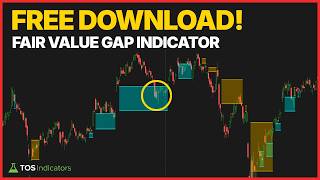
How to Build a Fair Value Gap Indicator in ThinkorSwim (Free Download)
In this tutorial, I build a fair value gap indicator for ThinkorSwim from scratch, one line of thinkScript at a time. ✅ Download the free Fair Value Gap indicator: https://tosindicators.com/indicators/fair-value-gap Half of all fair value gaps get filled within 5 trading days. I measured more than 116,000 of them across 650 stocks and ETFs and 11 years of daily bars. 7 out of 10 bullish gaps were revisited within a week. Gaps at least half an ATR wide held on their first retest 9 times out of 10, so the indicator skips the narrow ones by default. You'll see how to define bull and bear gaps in thinkScript, how to keep a gap on the chart without arrays (bullTop = bullTop[1]), why the plot skips the bar the gap forms on with Double.NaN, and how to clear a gap the moment price fills it. Pro members: Part 2, with the retest scan and a scan-tab column that prints each stock's gap levels, comes out this week. What's included: ➡️ Fair value gap indicator for ThinkorSwim, bullish and bearish ➡️ A minGap input that sets how wide a gap has to be, in ATRs ➡️ Cyan and orange clouds that stay clear of the red and green on your chart Here are all the links mentioned in today's video: ✅ All-Inclusive Bundle Discount (53% Off): https://www.volatilitybox.com/pricing ✅ Fair Value Gap indicator (free): https://tosindicators.com/indicators/fair-value-gap ----------------------------------------------------------- ⏱️ Here are video timestamps that might come in handy: 0:00 Fair Value 3:32 Gap Formation 4:34 Gap Statistics 5:53 ATR Filter 7:46 Gap Coding 12:27 Gap Storage 16:07 Cloud Plotting 21:32 Gap Clearing 23:46 Gap Sizing ----------------------------------------------------------- ✅ Download the Futures Volatility Box here: https://www.tosindicators.com/volatility-box ✅ Download the Stock Volatility Box here: https://www.volatilitybox.com/product/volatility-box-stock-early-invite/ ✅ Watch the new Triple Pro Squeeze course here: https://www.tosindicators.com/squeeze-course #daytrading #openingrangebreakout #falsebreakout
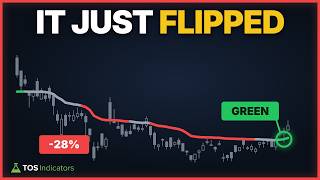
This Sector's Best 12 Weeks Start Now
In this video, I'll share a trade idea in a stock that just turned green before the rest of its sector. This sector tends to rally in the final 3 months of the year (November is seasonally its best month!). ✅ Download the free Market Pulse indicator: https://tosindicators.com/indicators/market-pulse ✅ Download the free Seasonal Analysis indicator: https://tosindicators.com/indicators/seasonal-analysis What's covered: → What the Market Pulse stages mean → This stock's recent 28% drop (and if it is time to buy) → 20 year backtest study → Earnings (est. Oct. 28), the FTC probe, and what I'm watching next ----------------------------------------------------------- ⏱️ Video timestamps: 0:00 - One Stock Flipped Before Its Sector 1:00 - Caterpillar and the Market Pulse Flip 2:13 - 21 Years of Industrials Seasonality 3:33 - The Catch and the Risks 5:03 - What I'm Watching ----------------------------------------------------------- ✅ Download the Futures Volatility Box here: https://www.tosindicators.com/volatility-box ✅ Download the Stock Volatility Box here: https://www.volatilitybox.com ✅ Find the Best Squeezes here: https://www.squeezesetups.com #thinkorswim #StockMarket #SwingTrading
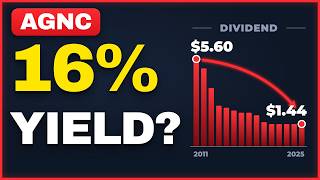
Is This MORTGAGE REIT Undervalued?
AGNC pays 12 cents a share every month, a 16% dividend yield. Treasury bills pay about 4%. So is it a screaming buy? I followed one share bought at the May 2008 IPO for $20: it has paid $51.16 in dividends and the share is worth $9.07, which works out to about 6% a year. Then I went through AGNC's filings to see what it's actually worth. ✅ Get the free price-to-book indicator, the dividend yield indicator and the dividend yield scans: https://www.tosindicators.com AGNC is a mortgage REIT: it borrows short term at 2.89% and owns $97.2 billion of mortgage bonds yielding 4.89%, on about $10 billion of its own equity (7.4x leverage). Book value per share fell from $32.15 at the end of 2012 to $8.58 on June 30, 2026, and the dividend was cut 8 times from its $5.60 peak to $1.44 a year. Today the dividend is covered: 40 cents of net spread income last quarter against a 36 cent payout. At $9.07 you pay $1.06 for every dollar of book value. Annaly, Dynex, ARMOUR, Invesco and Orchid all trade between 75 and 94 cents. At the peer multiple AGNC is worth $6.77; at its own 10-year median premium, about $8.90; at book, $8.58. All three are below the price. What's covered: → One $20 share, followed from the 2008 IPO → How AGNC makes money: the spread, the leverage, the two-week loans → Book value, and the years AGNC earned its dividend and the years it didn't → Price to book vs. the other agency mortgage REITs → March 2020 and the funding risk → The dividend yield history, and where a 20% yield would put the price ----------------------------------------------------------- ⏱️ Video timestamps: 0:00 - The 16% Yield 0:17 - One $20 Share Since the IPO 1:51 - How AGNC Makes Money 3:15 - Book Value 4:02 - Price to Book 4:33 - AGNC vs. the Other Mortgage REITs 5:36 - Three Fair Values 6:07 - The Risks 7:16 - Is AGNC Undervalued? 7:55 - The Dividend Yield Study ----------------------------------------------------------- ✅ Download the Futures Volatility Box here: https://www.tosindicators.com/volatility-box ✅ Download the Stock Volatility Box here: https://www.volatilitybox.com ✅ Find the Best Squeezes here: https://www.squeezesetups.com For education only. Not financial advice or a recommendation to buy or sell. Data: AGNC Q2 2026 8-K and 10-Q, SEC XBRL, peer Q2 2026 filings, Polygon prices as of the Sep 30, 2026 close, U.S. Treasury yield curve. #StockMarket #DividendStocks #ThinkOrSwim
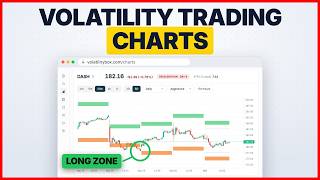
Optimized Charts for Volatility Trading
The new Volatility Charts are NOW LIVE!! We fully rebuilt the Charts page from the ground up, and it is live now for every member. Faster, efficient, AND works on MOBILE! ✅ Members, open the new Charts page: https://volatilitybox.com/charts/ What's covered: → The three things members asked for → Changing symbols, bar size and models → The Trade Map: nearest support, resistance and today's range → The Context tab: is today a normal day? → Every backtested trade on the symbol, up to a year back ----------------------------------------------------------- ⏱️ Video timestamps: 0:00 - What Members Asked For 1:25 - Changing Symbols 1:54 - Bar Size and Models 2:41 - The Trade Map 3:26 - The Context Tab 3:45 - Backtested Trades 4:33 - Phone and Scanner ----------------------------------------------------------- ✅ Learn about Volatility Box: https://volatilitybox.com/ ✅ More indicators for thinkorswim: https://tosindicators.com/ #VolatilityBox #TradingCharts #DayTrading
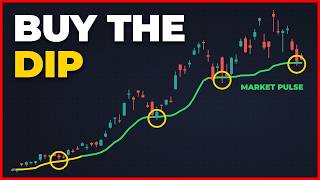
The Best Time to Buy the Dip
Does waiting for a deeper dip actually improve your odds? I tested 120,449 long touches across 648 stocks from September 2024 through September 2026 to see what happened when price reached the Volatility Box L2 and L3 levels. The biggest difference wasn’t how deep the dip went. It was what the broader market had done the day before. After SPY closed Red or Orange on Market Pulse, buying the L3 level worked 60.3% of the time. After a Green or Yellow day, that dropped to 51.9%. That one filter also more than doubled the average profit per trade. ✅ See the Market Pulse colors and Volatility Box levels: https://volatilitybox.com/market-pulse/ In the video, I break down where L2 and L3 sit inside the clouds, whether it makes sense to wait for L3 instead of buying L2, and how far these trades typically move against you before eventually working. One thing to know: these results assume the trade was held through the third close with no stop loss. This is historical backtested data, not a forecast of future results. What's covered: → L2 vs. L3: how deep of a pullback actually matters → The baseline win rate every setup needs to beat → Why Red and Orange Market Pulse days changed the results → A separate check using 2025 data → Whether waiting for L3 beats buying at L2 → How much adverse movement happens before the trade works → How I use this information in my own process ⏱️ Video timestamps: 0:00 - Introduction 0:35 - L2 vs. L3: How Deep Is Deep? 1:13 - The Number to Beat: 54.0% 2:07 - After a Red or Orange Day: 60.3% 3:07 - The 2025 Check 3:42 - Wait for L3 or Buy at L2? 5:58 - The Catch: It Moves Against You First 6:57 - How I Use It ✅ Learn about Volatility Box: https://volatilitybox.com/ ✅ More indicators for thinkorswim: https://tosindicators.com/ #VolatilityBox #TradingStrategy #StockTrading
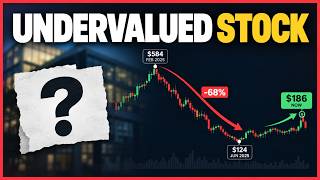
Is This Large Cap SEVERELY Undervalued?
Gartner just bought back 3.6 million of its own shares at $148.93. A year ago it was paying $417.99. The stock is down 68% from its high, and it just triggered our weekly Bullish Market Pulse trend reversal scan, so I went through the 10-K and 10-Q to see if the numbers back up the chart. ✅ Get the Market Pulse scans and our ThinkOrSwim indicators: https://www.tosindicators.com Revenue didn't collapse. It's $6.46 billion over the last 12 months, up from $6.27 billion in 2024, while price to sales fell from 7.2x to 1.8x. Free cash flow is $1.29 billion, an 11% yield on today's $11.7 billion market value. Book value went negative because Gartner has bought back $10.1 billion of stock over time, which is why the price to book reading of -70 is correct. The risk is growth. Contract value grew only 2%, and Gartner's own 10-K lists large language models as a threat to its research. The DCF uses 4% growth and a 19.5% operating margin, which excludes a $150 million write-down (GAAP margin is 17.3%). That gives $218 a share. At 2% growth it's $194, and at the 5.86% three-year average it's $243. What's covered: → The weekly scan that flagged Gartner, and the Market Pulse turn on the chart → What Gartner sells, segment by segment → Price to sales and price to book, checked against the filings → Buybacks and free cash flow yield on the stock chart → The DCF spreadsheet, and the fair value range against today's price ----------------------------------------------------------- ⏱️ Video timestamps: 0:00 - The Buyback 0:28 - The Scan That Found It 1:20 - What Gartner Sells 2:23 - Price to Sales and Price to Book 3:46 - Free Cash Flow and the DCF 4:44 - Where Fair Value Lands ----------------------------------------------------------- ✅ Download the Futures Volatility Box here: https://www.tosindicators.com/volatility-box ✅ Download the Stock Volatility Box here: https://www.volatilitybox.com ✅ Find the Best Squeezes here: https://www.squeezesetups.com #StockMarket #Investing #ThinkOrSwim
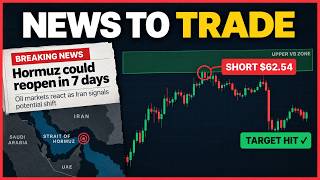
How I Turn Pre-Market News Into A Trade
On Tuesday, September 22, the pre-market headlines said the Strait of Hormuz could reopen and the Saudi pipeline was back on. In this video, I walk through how that news gave me a short bias on oil stocks, and how I used the Volatility Box to find the entry on XLE. ✅ Get Volatility Box levels on the stocks you trade: https://www.volatilitybox.com We start with the news and why it matters. When more oil is on the way, the war premium comes out of the price, and oil companies like Exxon and Chevron earn less. The 5-day chart on XLE was already down 7.1% from the September 15 high, so the news and the trend agreed. Then oil rallied after Trump's UN speech, and XLE ran up into the upper Volatility Box zone at 8:55 AM PT. A rally against the news and against the trend is where I want to sell. You'll see the Edge Signal, the 1-2 punch momentum cross, the trend switch on the 2-minute chart, and the exact levels: short $62.54, stop $62.76, target $62.32. The target hit at 10:50, in the same 5 minutes that oil stocks fell and the S&P 500 and Nasdaq went up. What's covered: → The headlines that pointed to more oil supply → How a war premium works, in plain English → Reading the 5-day trend on XLE → The rally into the upper VB zone, and the signals that confirmed the short → The trade levels, and how the day played out ----------------------------------------------------------- ⏱️ Video timestamps: 0:00 - The Pre-Market Headlines 1:30 - How the News Gave Us a Short Bias 3:09 - Rally into Volatility Box 4:29 - Entry ----------------------------------------------------------- ✅ Download the Futures Volatility Box here: https://www.tosindicators.com/volatility-box ✅ Download the Stock Volatility Box here: https://www.volatilitybox.com ✅ Find the Best Squeezes here: https://www.squeezesetups.com For education only. Not a trade recommendation. One trade is an example, not a track record. #Volatility #SwingTrading #DayTrading
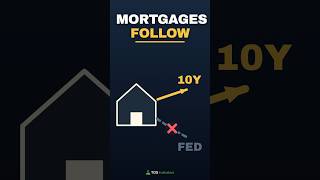
Mortgage Rates Follow This, Not The Fed #federalreserve #trading #interestrates
Since 2000, monthly changes in the 30-year mortgage line up with the 10-year Treasury at 0.73, where 1.0 would be perfect lockstep. Against the fed funds rate, the one the Fed actually sets: 0.01. Basically no relationship at all. A 30-year mortgage almost never lasts 30 years, so investors price it like a 10-year bond. The gap has averaged about 1.8 points since 1971, which means you can pull up the 10-year and do the arithmetic yourself. Full breakdown in the long video. #mortgagerates #10yeartreasury #housingmarket
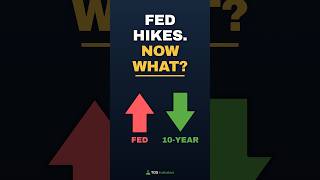
Does the Fed Rate Hike Affect Your Mortgage? #federalreserve #trading #interestrates
This just happened again, in reverse. On September 16 the Fed raised its target range to 3.75% to 4.00%, and the 10-year Treasury went the other way, from 5.01% down to 4.94% the next day. Which is the same thing that happened in 2024, running the other direction. In September 2024 the Fed started cutting and by December had cut a full percentage point. Over those same months the average 30-year mortgage went from 6.2% to 7.04%, the 10-year Treasury rose 1.14 points, and TLT fell about 15%. The numbers are right. The problem is the phrase the Fed sets interest rates. It sets one rate, the overnight rate banks charge each other. Everything else is priced by people buying and selling bonds every day. Full breakdown in the long video. #federalreserve #mortgagerates #interestrates

Interest Rates Explained in 90 Seconds #trading #stockmarket
Say I ask to borrow $100 and pay you back exactly $100 a year later. Would you take that deal? You would say no, and the reasons you would say no are the entire concept of an interest rate. 1. Waiting 2. Inflation 3. Risk. Add those three together and you have every interest rate that exists, including your mortgage, Treasury yields and whatever the Fed does next. Watch the full video for a complete breakdown on interest rates! #interestrates #investing #finance #personalfinance #thinkorswim
Interest Rates Explained for Traders
In this video, I break down how the interest rate market really works, what the Federal Reserve controls, what the market controls, and why those two can move in opposite directions. For example, the Fed cut rates by a full percentage point in late 2024. At the same time, the 10-year Treasury yield rose, mortgage rates went higher, and TLT fell about 15%. So what was actually happening? We’ll also look at how to read Fed expectations using futures and the 2-year Treasury, how the yield curve works, and what changing rates mean for bonds, gold, stocks, and options. The goal is to make Fed meetings and interest-rate moves easier to interpret from a trader’s perspective. Here are all the links mentioned in today's video: ➜ All-Inclusive Bundle Discount (53% Off): https://www.volatilitybox.com/pricing ➜ Volatility Box: https://www.volatilitybox.com ----------------------------------------------------------- ⏱️ Here are video timestamps that might come in handy: 0:00 - Fed paradox 2:08 - Rate basics 5:43 - Bond market 9:46 - Fed control 12:40 - Market expectations 16:02 - Yield curve 18:52 - Bond impact 21:06 - Gold relationship 24:23 - Trading impact 26:56 - Options pricing 28:15 - Key takeaways ----------------------------------------------------------- ✅ Volatility Box: https://volatilitybox.com/ ✅ Opening Range Breakouts: https://orbsetups.com/ ✅ Find the Best Squeeze Trades: https://squeezesetups.com/ #interestrates #federalreserve #bondmarket #stockmarket #trading
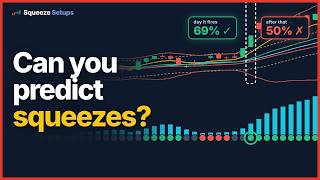
I Tested the Squeeze Histogram on 87,000+ Signals
In this study, I tested whether the Squeeze histogram can predict which way a squeeze will fire. I looked at every daily squeeze across 649 stocks and ETFs from 2004 to 2026... 87,470 squeezes in total. ✅ Run this on the stocks you trade: https://squeezesetups.com The histogram did have some predictive value, but only around the day the squeeze fired. When I read the histogram on the last red dot, it correctly predicted the direction of the fire day 69% of the time. The 20-day moving average did even better at 75%. But the results changed once I measured from the green dot — the point where most traders would actually enter. Across 16 different signals, every result landed between 49% and 51% over the following 10 days. In other words, there wasn't much evidence of a directional edge after the squeeze had already fired. The direction of the fire day itself also didn't predict what happened next. When a squeeze fired up, the stock was higher 10 days later only 49.5% of the time. The main takeaway is that the useful information appears to be concentrated around the fire day itself. If you're trying to use the squeeze to anticipate direction, timing matters more than I expected. Here are all the links mentioned in today's video: ➜ Squeeze Backtester https://www.squeezesetups.com ----------------------------------------------------------- ⏱️ Here are video timestamps that might come in handy: 0:00 - The belief, and what I tested 1:13 - Two ways to ask which way it breaks 2:56 - From inside the squeeze: 69%, then it fades 4:39 - From the green dot: 50% across 16 signals 7:58 - The one result that wasn't 50% 10:44 - What to do with it ----------------------------------------------------------- ✅ Squeeze Setups Scanner: https://squeezesetups.com/pricing/ ✅ Squeeze Backtester: https://squeezesetups.com/backtester/ #daytrading #stockmarket #swingtrading
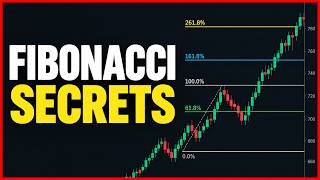
3 Things Fibonacci Tells You About Any Market
Fibonacci is a powerful tool in trading, often underutilized. In this video, I'll share 3 powerful (and free) use cases of the Fibonacci Extensions tool to make better trading decisions. Here are all the links mentioned in today's video: ➜ All-Inclusive Bundle Discount (53% Off): https://www.volatilitybox.com/pricing ➜ Squeeze Setups: https://www.squeezesetups.com ----------------------------------------------------------- ⏱️ Here are video timestamps that might come in handy: 0:00 - Introduction 0:30 - Volatility Expansion vs. Contraction 3:15 - Pullback Depth 5:00 - Support Resistance Levels 5:50 - Summary ----------------------------------------------------------- ✅ Download the Futures Volatility Box here: https://www.tosindicators.com/volatility-box ✅ Download the Stock Volatility Box here: https://www.volatilitybox.com/product/volatility-box-stock-early-invite/ ✅ Watch the new Triple Pro Squeeze course here: https://www.tosindicators.com/squeeze-course #SwingTrading #SPY #DayTrading

The “Safe” ORB Stop Loss That Lost $453,000
I tested 6,013 opening range breakout trades across SPY, QQQ, DIA and IWM over the last two years – and one tiny change completely altered the results. In this video, I break down exactly what happened, why the results look more like a “cliff” than a gradual curve, and what this tells us about placing stops inside normal market noise. We’ll also test several common ideas traders use to improve opening range breakouts – including different indexes, different opening-range timeframes, range width and false-breakout filters – to see whether any of them actually create a meaningful edge. What’s included: ➜ 6,013 opening range breakout trades analyzed ➜ SPY, QQQ, DIA and IWM ➜ 5-minute, 15-minute and 30-minute opening ranges ➜ Multiple stop-loss distances tested ➜ The stop-loss “cliff” hidden in the data ➜ False-breakout filter results ➜ Why the ORB edge may be weakening in current markets ➜ Practical takeaways for breakout traders Here are all the links mentioned in today's video: ✅ All-Inclusive Bundle Discount (53% Off): https://www.volatilitybox.com/pricing ✅ Opening Range Breakout platform https://orbsetups.com ------------------------------ ⏱️ Video timestamps: 0:00 – The 6,013-trade experiment 2:39 – Testing markets, timeframes & range width 5:10 – Do false-breakout filters help? 6:42 – The variable that changed everything 8:26 – The stop-loss “cliff” 9:24 – The $453,000 difference 12:20 – Is the ORB edge fading? ------------------------------ ✅ Download the Futures Volatility Box: https://www.tosindicators.com/volatility-box ✅ Download the Stock Volatility Box: https://www.volatilitybox.com/product/volatility-box-stock-early-invite/ ✅ Watch the Triple Pro Squeeze course: https://www.tosindicators.com/squeeze-course #OpeningRangeBreakout #DayTrading #Backtesting

Free ThinkOrSwim Scanner for False Breakouts (Download Included)
In our latest ThinkOrSwim tutorial, we build a scanner that finds false breakouts. A stock pushes above its 20-bar high, then closes back below it. Everyone who bought that breakout is underwater by the close. The scanner checks a whole watchlist in one pass, and the download is included so you can add it to your own platform.

I Built a ThinkorSwim Scanner for False Breakouts
In this tutorial, I build a ThinkorSwim scanner that finds false breakouts, bull traps and failed breakdowns automatically! ✅ Free ThinkorSwim false breakout scanner and full code: https://tosindicators.com/scans/false-breakout-scanner You’ll learn how the thinkScript logic works, how to scan for both bullish and bearish failures, and why one small detail can determine whether your scan works or returns nothing. We’ll also run the scanner against real stocks, adjust the volume and lookback settings, and convert the finished scan into a chart indicator that marks historical signals. What’s included: ➜ False-breakout and failed-breakdown scans ➜ Complete thinkScript code ➜ Adjustable lookback and volume filters ➜ Real ThinkorSwim scan results ➜ Historical chart arrows ➜ Free code and installation instructions Here are all the links mentioned in today's video: ✅All-Inclusive Bundle Discount (53% Off): https://www.volatilitybox.com/pricing ✅ Download the False Breakout Scanner (Free): https://tosindicators.com/scans/false-breakout-scanner ✅ More free ThinkorSwim scans: https://tosindicators.com/scans ----------------------------------------------------------- ⏱️ Here are video timestamps that might come in handy: 0:00 - What the scanner finds 03:10 - Turning a false breakout into code 06:22 - Building both ThinkorSwim scans 10:49 - Testing the scanner on real stocks 13:28 - Adjusting volume and lookback settings 14:21 - Building the chart indicator ----------------------------------------------------------- ✅ Download the Futures Volatility Box here: https://www.tosindicators.com/volatility-box ✅ Download the Stock Volatility Box here: https://www.volatilitybox.com/product/volatility-box-stock-early-invite/ ✅ Watch the new Triple Pro Squeeze course here: https://www.tosindicators.com/squeeze-course #ThinkOrSwim #StockScanner #SwingTrading

Why This S&P Futures Setup Worked But The Dow Failed
Today’s futures session gave us two very different volatility events in the S&P 500 and Dow Jones. In this video, I break down both setups step by step using the Futures Volatility Box, including why the S&P setup was more straightforward, why the Dow became much more difficult, and how the changing volatility regime affected which model made sense. The S&P 500 setup came later in the day and produced a clean long entry after price breached the lower Volatility Box model and confirmed with the edge signal. That trade reached its first target and ultimately completed both T1 and T2 for roughly 7.25 points. The Dow was very different. Early in the session, price breached the Scalper Volatility Box, then continued through the stop. That forced a shift to the Aggressive model, and eventually even the Doomsday Aggressive model as volatility kept expanding. This is a good example of why the same basic setup can behave very differently depending on the volatility regime. Here are all the links mentioned in today's video: ➜ All-Inclusive Bundle Discount (53% Off): https://www.volatilitybox.com/pricing ➜ Squeeze Setups: https://www.squeezesetups.com ----------------------------------------------------------- ⏱️ Here are video timestamps that might come in handy: 0:00 - S&P 500 vs Dow Volatility 0:27 - S&P 500 Futures Setup 1:50 - Dow Jones Futures Setup 2:47 - Switching Volatility Box Models 3:16 - S&P vs Dow Recap ----------------------------------------------------------- ✅ Download the Futures Volatility Box here: https://www.tosindicators.com/volatility-box ✅ Download the Stock Volatility Box here: https://www.volatilitybox.com/product/volatility-box-stock-early-invite/ ✅ Watch the new Triple Pro Squeeze course here: https://www.tosindicators.com/squeeze-course #SwingTrading #SPY #DayTrading
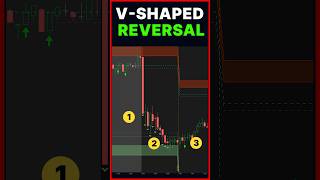
V-Shaped Reversal Trading Strategy in 120 Seconds
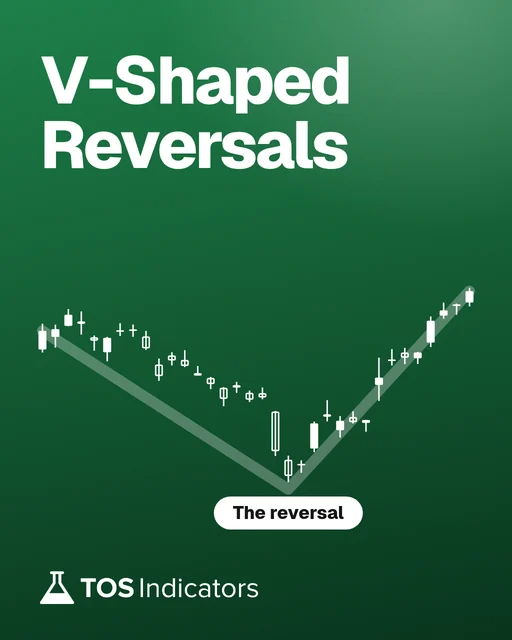
Here’s a VERY EASY 3-Step trading setup for spotting V-shaped reversal setups. Step 1: Look for 5 or more Keltner Channel wedges. Step 2: Wait for price to cross the Volatility Box models Step 3: Use the Edge Signal arrow as your first entry and Momentum Cross as your second entry Download the Futures Volatility Box: https://www.tosindicators.com/volatility-box #Shorts #FuturesTrading #DayTrading #TradingStrategy #VShapedReversal #PriceAction #VolatilityBox
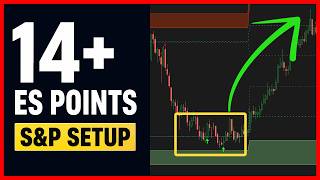
This S&P 500 Futures Setup Ran 14+ Points
Today’s S&P 500 futures trade was the standout setup across the four major index markets. In this video, I break down the S&P 500, Dow Jones, Nasdaq, and Russell futures using the Futures Volatility Box to show how the first hour of trading can help determine which volatility model to use for the rest of the session. Three of the four markets pointed toward lower-volatility Scalper setups, while Nasdaq was the clear outlier and required the Aggressive model. The best opportunity came later in the S&P 500, where a valid long setup hit its first target and continued more than 14 points toward T2. I also break down losing trades in the Dow and Russell, why they were still valid setups, and what those stop-outs told us about changing market conditions. Here are all the links mentioned in today's video: Here are all the links mentioned in today's video: ➜ All-Inclusive Bundle Discount (53% Off): https://www.volatilitybox.com/pricing ➜ Squeeze Setups: https://www.squeezesetups.com ----------------------------------------------------------- ⏱️ Here are video timestamps that might come in handy: 0:00 - Today’s Four Index Futures 1:51 - How to Read Morning Volatility 2:54 - Choosing the Right Volatility Box Model 4:00 - S&P, Dow, Nasdaq & Russell Comparison 5:13 - Why Nasdaq Was the Outlier 6:35 - S&P 500 Futures Setup 7:32 - The 14+ Point ES Trade 8:25 - Valid Setup vs. Missed Entry 9:28 - Dow & Russell Losing Trades 10:25 - Adapting to Higher Volatility ----------------------------------------------------------- ✅ Download the Futures Volatility Box here: https://www.tosindicators.com/volatility-box ✅ Download the Stock Volatility Box here: https://www.volatilitybox.com/product/volatility-box-stock-early-invite/ ✅ Watch the new Triple Pro Squeeze course here: https://www.tosindicators.com/squeeze-course #SwingTrading #SPY #DayTrading
The Consumer Discretionary Stock I’m Buying Right Now
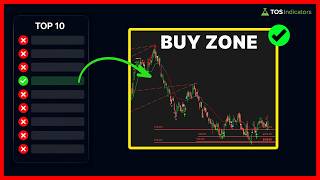
Lowe’s is the consumer discretionary stock standing out to me right now. While XLY and several of its top holdings have messy charts, Lowe’s is trading near the lower end of its range inside a key Fibonacci support zone around $200 - $212. Momentum is starting to improve, and I’ve begun building a position with a potential move back toward previous highs in mind. I also compare Lowe’s with Amazon and Home Depot and break down the hourly and daily entry triggers I’m watching. Here are all the links mentioned in today's video: ➜ All-Inclusive Bundle Discount (53% Off): https://www.volatilitybox.com/pricing ➜ Squeeze Setups: https://www.squeezesetups.com ----------------------------------------------------------- ⏱️ Here are video timestamps that might come in handy: 0:00 - XLY Sector 0:29 - Why Lowe’s stands out 1:09 - Lowe’s Fibonacci support zone 2:20 - Trend Reversal 3:20 - Lowe’s vs. Home Depot 3:40 - Entry Triggers ----------------------------------------------------------- ✅ Download the Futures Volatility Box here: https://www.tosindicators.com/volatility-box ✅ Download the Stock Volatility Box here: https://www.volatilitybox.com/product/volatility-box-stock-early-invite/ ✅ Watch the new Triple Pro Squeeze course here: https://www.tosindicators.com/squeeze-course #SwingTrading #SPY #DayTrading