
 Fair Value Gap
 False Breakout Scanner
 Heiken Ashi Trend
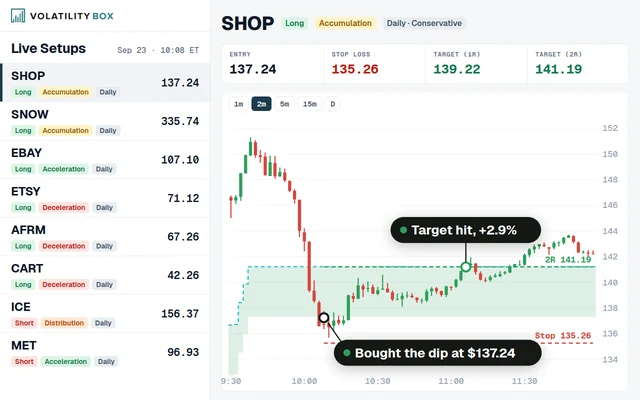 Stock Volatility Box
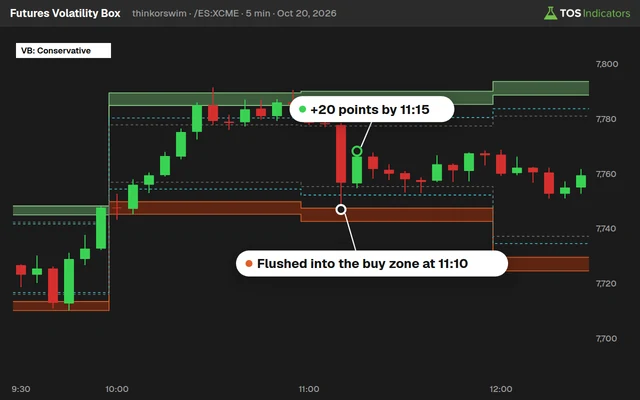 Futures Volatility Box
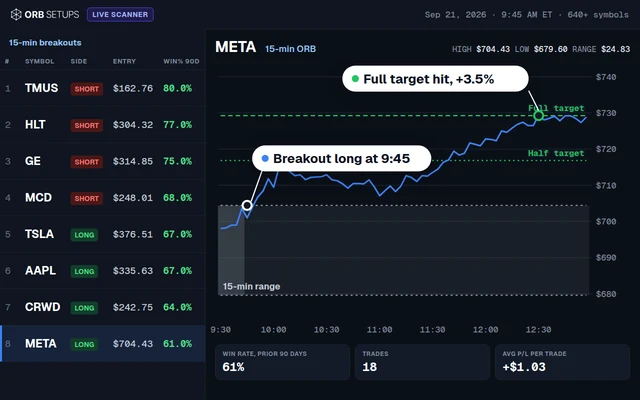 ORB Setups
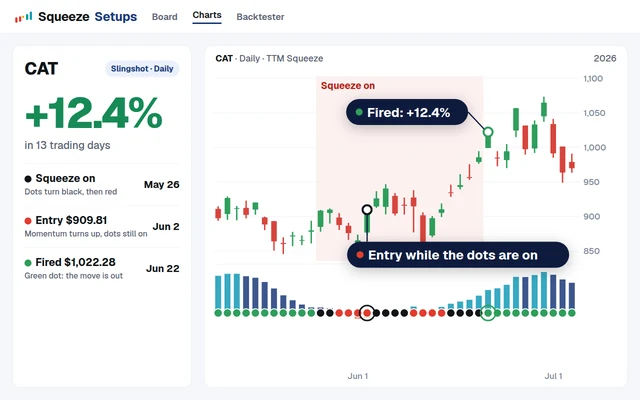 Squeeze Setups
What the Seasonal Data Shows for November
Using the seasonal analysis indicator on 20 years of S&P 500 data, November closes higher than where it opened 80% of the time. The average gain is 1.88%. Among all 12 calendar months, November ranks as the third best performing month for the S&P 500, trailing only July and April.
Narrowing the window to just the most recent 5 years (which gives only five data points), the bullish November tendency still holds. Even on the maximum available data range, the pattern persists. November, historically, is a month where buyers step in.
December, for comparison, drops to approximately 65% with a smaller average gain. The seasonal strength concentrates in November rather than carrying evenly through year-end.
Tools Used in This Analysis
Two free indicators power this analysis, both available at tosindicators.com:
- Seasonal Analysis Indicator: Displays month-by-month historical performance data directly on your ThinkOrSwim chart. The first number shows what percentage of the time a given month closes higher than its open. The second number shows the average gain. Free for everyone.
- Utility Labels (Market Pulse): Shows the current state (acceleration, deceleration) of each SPY sector as color-coded labels on your chart. Available from the Market Pulse downloads page. Also free.
You can load these on any market, not just SPY, and run the same seasonal analysis on your preferred instruments.
What the Sectors Are Telling Us
Seasonal analysis gives us the historical tendency. Sector analysis gives us the current state of the market. Combining both paints a more complete picture.
Loading the utility labels on SPY reveals that nearly all sector labels are red, indicating a state of deceleration (bearish trend). Only two sectors are exceptions: XLP (Consumer Staples) and XLU (Utilities). These are both defensive sectors, which tells you that money is rotating into safety rather than risk.
For the November seasonal bullish tendency to play out, we need to see some of these sector labels transition from red to something else. The progression is: red (deceleration) to orange, then yellow or green (acceleration). When larger-weighted sectors like XLK, XLF, or XLY start making that transition, it signals that the broader market is finding strength and the November seasonal tendency has a higher probability of playing out.
How to Use This Information
The seasonal data provides a baseline expectation. It does not guarantee November will be positive in any given year. The sector labels provide real-time context for whether the market is positioned to follow through on the seasonal tendency.
A practical approach: use the seasonal analysis indicator to identify which months have historically been strong for your preferred instruments. Then use the utility labels to check whether the current market conditions support that seasonal bias. When both align (bullish season + sectors transitioning to acceleration), you have a higher-confidence setup. When they diverge (bullish season + sectors in deceleration), be cautious with sizing and expectations.
Applying This to Other Markets
The seasonal analysis indicator works on any chart. Load it on QQQ, IWM, individual stocks, or futures and compare how November performs across different instruments. Some stocks may have very different seasonal profiles than the S&P 500.
The utility labels also work across instruments. Comparing sector states across multiple timeframes gives you a view of where money is flowing and which sectors are leading or lagging. This context applies year-round, not just during November.
Frequently Asked Questions
How does November rank among S&P 500 months?
November is the third best performing month, behind July and April. Over 20 years of data, November closes higher than its open 80% of the time with an average gain of 1.88%.
What tools do I need for this analysis?
Two free indicators: the Seasonal Analysis Indicator (shows monthly historical performance) and the Utility Labels from Market Pulse (shows sector states as color-coded labels). Both are available at tosindicators.com.
What do the sector label colors mean?
Red means the sector is in a state of deceleration (bearish). Orange, yellow, and green indicate improving states toward acceleration. When most sectors are red, the market is in a bearish posture regardless of seasonal tendencies.
How many sectors were in deceleration?
9 of 11 sectors showed red (deceleration) labels. Only XLP (Consumer Staples) and XLU (Utilities), both defensive sectors, were the exceptions. This means the broader market needs significant rotation before the November seasonal tendency can fully express itself.
Can I run this analysis on stocks other than SPY?
Yes. Both the seasonal analysis indicator and the utility labels work on any ThinkOrSwim chart. Load them on QQQ, IWM, individual stocks, or futures to compare seasonal profiles and sector states across different instruments.
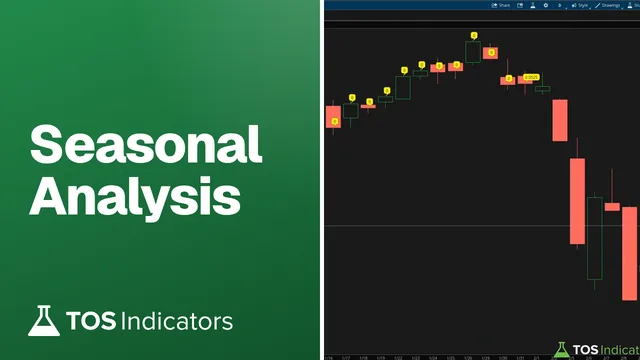 How to Build a Seasonal Analysis Indicator in ThinkOrSwim
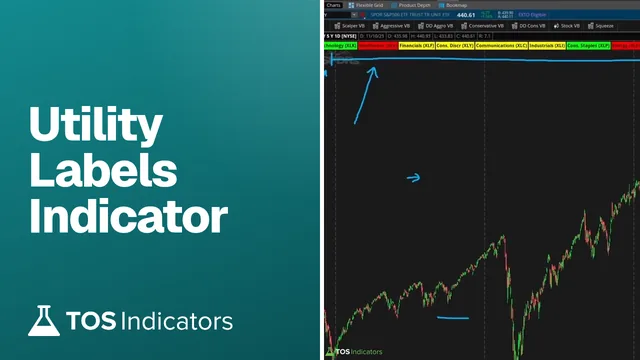 Utility Labels Indicator - QUICKLY Track Sector Performance and Internals
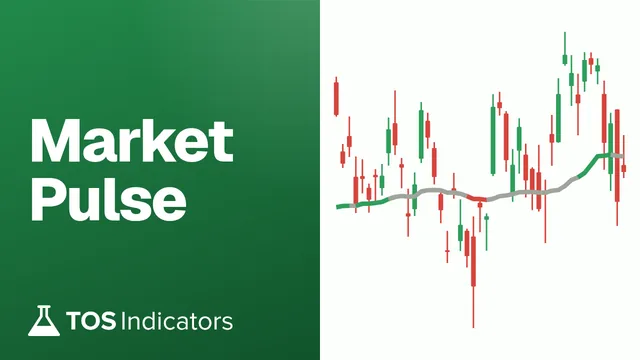 Market Pulse Indicator for ThinkOrSwim: Find the 4 Market Stages
 Best ThinkOrSwim Indicators: 15 Custom Studies Every Trader Needs
 Trend Shift Scanner: Catch Reversals at the Inflection Point