
Will Nvidia Follow Its Post-Earnings Pattern This Time?
NVDA post-earnings analysis using seasonal and post-earnings indicators. 7-day post-earnings is 50/50. 14-day rise rate hits 58.73%. 30-day approximately 60%. Best entry window: 14-30 days after earnings.

NVDA Earnings: Strong Report, But When to Enter?
In the companion video, Nvidia reported earnings after the close with a strong report. After-hours activity showed NVDA trading near the $500 level, which coincided with the 1.618 Fibonacci extension (the golden ratio) measured from the October 2021 high to the October 2022 low. That Fibonacci level was expected to act as shorter-term resistance.
The question: given the strong earnings report, when does it make sense to look for an entry? We use two free indicators to build the profile: the seasonal analysis indicator and the post-earnings analysis indicator.
September Seasonality for NVDA: A Split Story
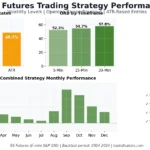
Loading the seasonal analysis indicator on NVDA with 5 years of data, September shows 60% of the time price closes above where it opened for the month. However, the average for the month is negative. This creates a split story: the probability says slightly bullish, but the average says the winners are smaller than the losers.
Expanding to the maximum available data confirms the same pattern. September still closes above its open more times than not, but the monthly average remains negative. January shows a similar yellow-flag pattern. This gives us our first reason to be cautious rather than chasing the post-earnings gap.
Post-Earnings Analysis: The 7-Day Window
Switching to the post-earnings analysis indicator with 5 years of data, the 7-day post-earnings window shows NVDA rising about 45% of the time and falling 55%. The bias in the first week after earnings leans slightly bearish. On the maximum available data (going back to approximately 2007-2008), the 7-day numbers are essentially 50/50: 50.79% rise vs. 49.21% fall. No edge in either direction during the first week.
The 14-Day and 30-Day Windows
At 14 days post-earnings, the data starts to shift. On 5 years of data, it is roughly 50/50. But on maximum available data, the rise rate climbs to 58.73%. The pendulum is starting to swing toward the bullish side.
At 30 days post-earnings, the numbers get more interesting. On 5 years of data, the rise rate is closer to 65%. On maximum available data, it is approximately 60%. This is where the historical bias starts to favor being long NVDA after earnings.
At 60 days post-earnings, the rise rate continues to increase and the averages get larger. This makes sense given the overall bullish trend that NVDA has been in.
Putting It Together
The seasonal analysis says September is a weak month for NVDA (negative average despite positive frequency). The post-earnings data says the first 7 to 14 days are not where you want to be aggressive. Between the 14 and 30-day mark is where the numbers start working in your favor for a swing trade lasting one to two months.
With NVDA near the 1.618 Fibonacci level ($500 area) expected to act as shorter-term resistance, and September historically a weaker month for the broader indices, patience may pay off. The post-earnings data supports waiting for the initial reaction to settle before looking for an entry in that 14 to 30-day window.
Frequently Asked Questions
How does NVDA perform in the first week after earnings?
Basically 50/50. On maximum available data, NVDA rises 50.79% and falls 49.21% in the 7 days after earnings. On 5-year data, it leans slightly bearish at 45% rise rate. No meaningful edge in either direction.
When is the best time to enter NVDA after earnings?
Between 14 and 30 days post-earnings. The rise rate hits 58.73% at 14 days and approximately 60-65% at 30 days. The data supports waiting for the initial post-earnings reaction to settle.
Is September a good month for NVDA?
It is a split story. Price closes above the monthly open about 60% of the time, but the average monthly return is negative. This holds on both 5-year and maximum available data. January shows a similar pattern.
What was the resistance level mentioned?
The 1.618 Fibonacci extension (golden ratio) near $500, measured from the October 2021 high to the October 2022 low. NVDA was trading near this level in after-hours, and it was expected to act as shorter-term resistance.
Where can I get the post-earnings indicator?
The post-earnings analysis indicator is available for Volatility Box members. The seasonal analysis indicator is free for everyone at tosindicators.com/indicators.


Ready to Trade With an Edge?
Join 40,000+ traders using institutional-grade tools for ThinkOrSwim.
Get the Bundle