
The Weird Thing About the Cumulative TICK Today
Reviewing cumulative TICK divergence across four index futures. The TICK showed bearish pressure but price was choppy. S&P had cleanest setups: ~14pt risk for ~28pt reward on afternoon VB breach.

Cumulative TICK vs. Price Action Divergence
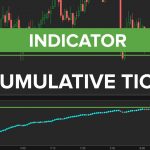
In the companion video, we review all four major index markets on a day where the cumulative TICK told one story and price told another. The cumulative TICK showed a steady decline throughout the session, suggesting bearish selling pressure. But price action was choppy, not trending. On the 5-minute chart, nearly every bar showed gray dots (indicating the cumulative tick count was decreasing compared to the prior bar), with only small pockets of bullish activity.
For all Volatility Box members, the cumulative TICK Pro indicator was updated with new data over the weekend, showing approximately a 20% delta in the levels the cumulative TICK typically reaches across the NYSE, Dow, NASDAQ, and Russell TICK indexes.
S&P 500: Cleanest Setups
The S&P had the best setups of the day. The morning opened with a breach of the long-side Volatility Box zones around the 7 AM Pacific mark. This triggered the V-shaped reversal opening range breakout setup that produced a rally all the way to the short-side VB models.
The second setup came during the 8-to-9 AM Pacific hour. Price fell into the long-side VB models with an edge signal confirmation. From that entry zone, the risk was approximately 14 S&P points, and the move to the target line on the other side provided approximately 28 points of reward, a risk-one-to-make-two setup.
The afternoon saw no additional breaches, though price came close to the long-side zones without triggering an entry.
NASDAQ: Similar but Less Clean
The NASDAQ started on scalper models but quickly breached them, switching to aggressive models. The morning produced the same V-reversal ORB setup as the S&P: a breach of the scalper models followed by a retest of the S entry line just below the prior wick, then a large move up.
The 8-to-9 AM Pacific hour tagged the S&P entry line on the aggressive models with two edge signal confirmations. However, the retest back to the entry zone was smaller than on the S&P. The entry required more aggression, and the risk/reward was not as clean. For the rest of the day, no additional breaches occurred on the NASDAQ.
Dow: Best Morning ORB
The Dow had what may have been the best morning ORB setup. Multiple Keltner Channel wedges plotted directly into the Volatility Box models, creating a textbook V-shaped reversal. The 8-to-9 AM Pacific hour also triggered with an edge signal confirmation, and price chopped above the entry zone before rallying.
The Dow missed a potential long-side breach by one minute at the end of the lunchtime hour. A breach that would have otherwise triggered a setup fell just outside the time window.
Russell: No Actionable Setups
The Russell broke outside the scalper models early in the session, switching to aggressive models. From there, no real breaches occurred for the rest of the day. The Russell was the least actionable market on this particular session.
Using the Cumulative TICK with VB Models
When the cumulative TICK is declining but price is not following through to the downside, it creates a divergence. This tells you that selling pressure exists in the broader market (measured by TICK) but is not translating into directional price movement. In this environment, VB model breaches with edge signal confirmation give you a structured way to trade the chop. The models define the entry zone, the edge signal provides confirmation, and the opposite-side models give you the target.
For Futures Volatility Box members, configuring alerts on TradingView provides near-real-time notifications when price crosses VB model levels, working around the latency that ThinkOrSwim has with futures alerts.
Frequently Asked Questions
What was unusual about the cumulative TICK that day?
The cumulative TICK declined steadily throughout the session, suggesting bearish pressure. But price action was choppy rather than trending lower. On the 5-minute chart, nearly every bar showed gray dots (decreasing tick count) with only small pockets of bullish activity.
Which market had the best setups?
The S&P 500 had the cleanest setups: a morning V-reversal ORB and an afternoon VB breach with edge signal confirmation offering approximately 14 points of risk for 28 points of reward (risk-one-to-make-two).
What is the cumulative TICK Pro update?
The Pro version was updated with new data showing approximately a 20% delta in the levels the cumulative TICK typically reaches. The update covers NYSE, Dow, NASDAQ, and Russell TICK indexes. Available for Volatility Box members.
Did the Russell produce any setups?
No. The Russell broke outside scalper models early and switched to aggressive models. No breaches occurred for the rest of the day. It was the least actionable market that session.
How should I handle TICK divergences from price?
When the cumulative TICK is declining but price is not following through, use VB model breaches with edge signal confirmation to identify structured entries. The models define your entry zone, the edge signal confirms, and the opposite-side models provide the target.




Ready to Trade With an Edge?
Join 40,000+ traders using institutional-grade tools for ThinkOrSwim.
Get the Bundle