
 Fair Value Gap
 False Breakout Scanner
 Heiken Ashi Trend
 Stock Volatility Box
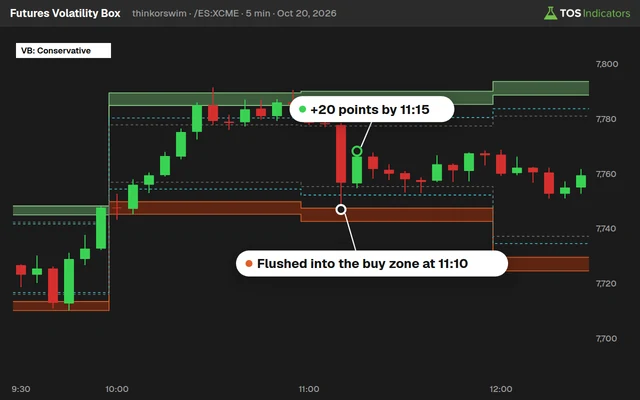 Futures Volatility Box
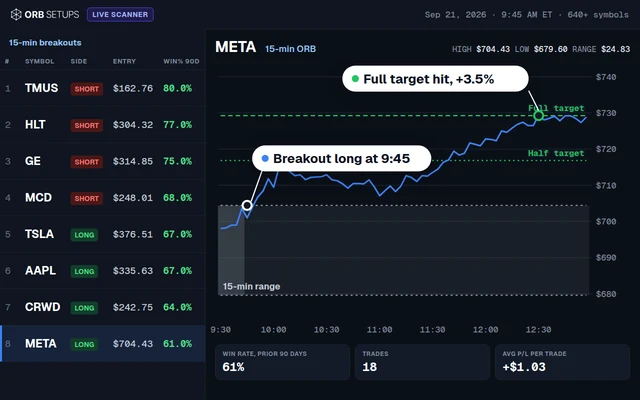 ORB Setups
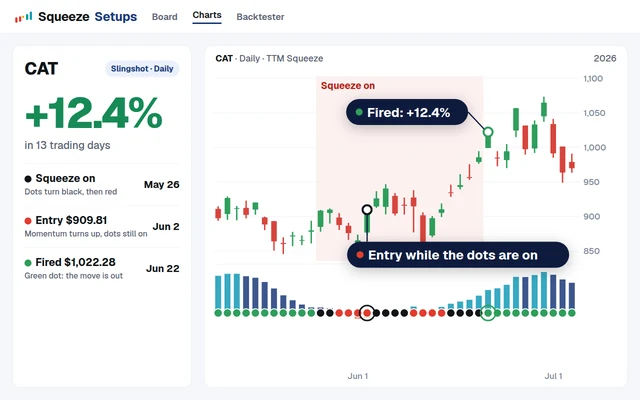 Squeeze Setups
Pre-Earnings Personality: Microsoft
In the companion video, we use the pre-earnings analysis indicator to compare Microsoft and Apple ahead of their upcoming reports. The indicator is available free for all Volatility Box members at tosindicators.com/earnings. This analysis used a 10-year lookback, though you can expand to the maximum available or narrow to 5 years.
Microsoft reports April 25th after the close. Over the 10-year analysis window, MSFT tends to rally in the 7 days prior to earnings 75% of the time. The average rally is approximately 3%. The average decline (the other 25% of the time) is 2.7%. Implied volatility rises 60% of the time as earnings approach.
However, this particular earnings cycle broke from the pattern. In the 7 days prior to earnings, MSFT saw bearish pressure rather than the expected bullish optimism. With 2 days left until the report, the bullish tendency had not yet kicked in.
The MSFT Opportunity
For this earnings cycle's count to register as bullish (price rising into earnings), MSFT would need to close above the price level from 7 days prior, approximately $414.50. If MSFT gets above that level, the count increases to 31 bullish pre-earnings cycles. The chart showed MSFT coming into previous support areas, which adds a technical reason for buyers to step in alongside the seasonal pre-earnings tendency.
This created what could be a better entry price than buying 7 days before earnings blindly. The tendency to rally had not played out yet, but the historical data suggested it might still kick in during the final two days.
Pre-Earnings Personality: Apple
Apple reports May 2nd after the close. The 7-day pre-earnings window had just begun at the time of the video. Apple's numbers are different from Microsoft: price tends to rise only 57% of the time (versus MSFT's 75%). The average gain when it does rise is 3.29%, slightly higher than MSFT's 3%. However, implied volatility does not rise as often as it does for MSFT.
Apple had experienced a deeper correction and was sitting at previous support near $165 (the prior low). This technical context, combined with the 57% pre-earnings rally tendency, made AAPL an interesting setup as well. Unlike MSFT where you had only 2 days left, Apple still had time for the move to develop.
Comparing the Two Setups
Microsoft offers the higher-probability pre-earnings rally (75% vs. 57%) but with less time remaining and the bullish tendency not yet engaged. Apple offers more time to develop and a deeper pullback to previous support, but the historical tendency is weaker.
Both stocks were at previous support levels, which provides a technical backdrop for the long side regardless of the earnings tendency. The pre-earnings indicator gives you the data to decide which setup fits your style: higher probability with less time (MSFT), or more time with a better price at support (AAPL).
Next Steps for Analysis
You can extend this analysis by changing the lookback period. Compare 20 years, 10 years, and 5 years to see if the tendency has been strengthening or weakening. You can also apply the pre-earnings indicator to any stock that reports earnings. For post-earnings analysis, Volatility Box members have access to a separate post-earnings analysis indicator at tosindicators.com/earnings.
Frequently Asked Questions
How often does MSFT rally before earnings?
75% of the time over a 10-year analysis window. The average rally is approximately 3%. The average decline (25% of the time) is 2.7%. IV rises 60% of the time.
How often does AAPL rally before earnings?
57% of the time over the same 10-year window. The average gain is 3.29%, slightly higher than MSFT. IV does not rise as consistently as it does for MSFT.
What was different about this MSFT earnings cycle?
MSFT saw bearish pressure in the 7 days prior to earnings instead of the usual bullish optimism. The stock needed to close above ~$414.50 for the bullish tendency to register for this cycle.
Where can I get the pre-earnings indicator?
Free for all Volatility Box members at tosindicators.com/earnings. It includes both pre-earnings and post-earnings analysis indicators. You can apply it to any stock and adjust the lookback period.
Which stock was the better setup?
Depends on your style. MSFT had higher probability (75%) but less time. AAPL had more time and a deeper pullback to support near $165, but a lower historical tendency (57%). Both were at previous support levels.
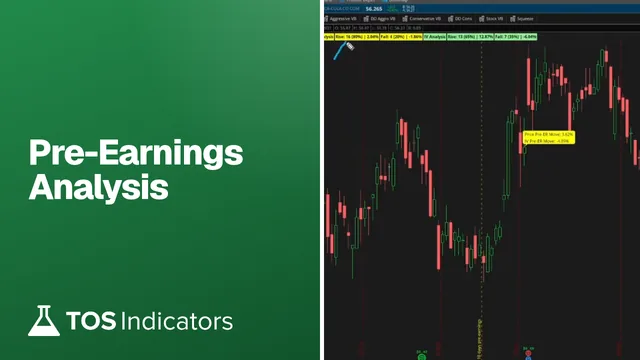 Pre-Earnings Analysis Indicator for ThinkOrSwim: Price and IV Into Earnings
 Best ThinkOrSwim Indicators: 15 Custom Studies Every Trader Needs
 Trend Shift Scanner: Catch Reversals at the Inflection Point
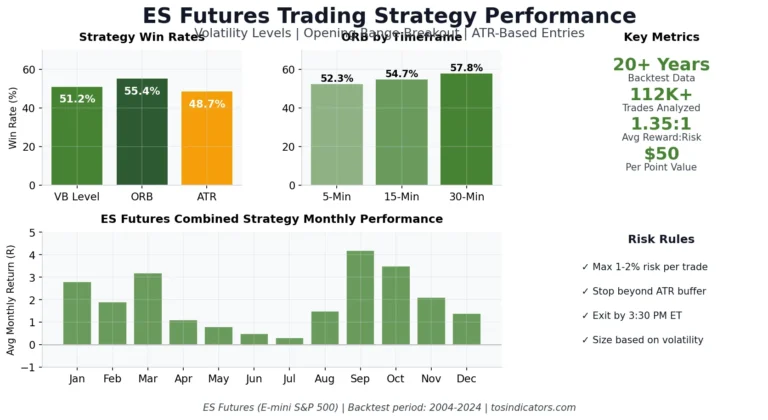 ES Futures Trading Strategy: Volatility Levels, ORB, and ATR-Based Entries
 Best Volume Indicators for ThinkOrSwim: Relative Volume, VWAP, and OBV